
The Dual-Edged Evolution: How Generative AI Redefined Human Productivity and Digital Truth
Chat-based AI has evolved from simple text bots into versatile agents that accelerate scientific discovery and personal productivity, yet they simultaneously strain global energy grids and challenge our perception of digital truth. As these models become the default interface for human knowledge in 2026, they offer a future of unprecedented efficiency while requiring a new level of critical literacy to navigate the risks of misinformation and automation.
2 min read
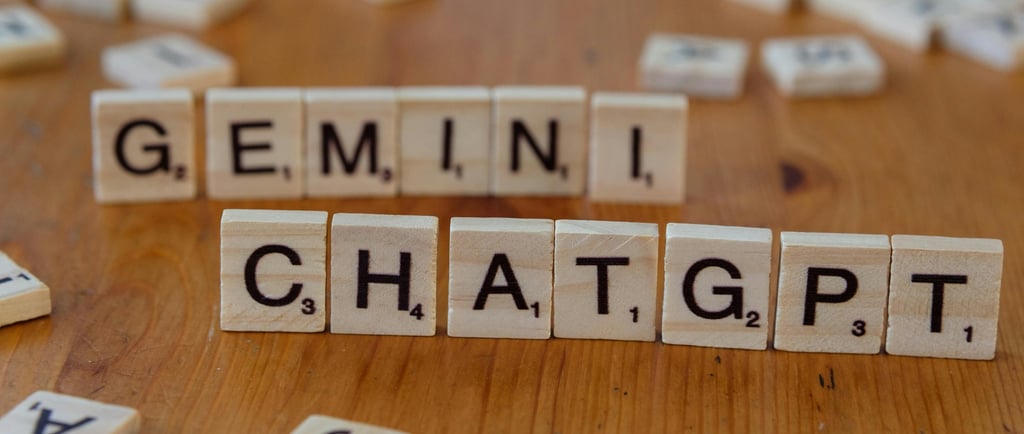
The evolution of chat-based AI has moved with a speed that has left both industries and individuals breathless, transforming from the rule-based, brittle chatbots of the early 2000s into the fluid, multimodal powerhouses like ChatGPT and Gemini we see today. This shift was ignited by the 2017 invention of the Transformer architecture and reached a fever pitch in late 2022, marking a transition from AI that merely searched for information to AI that creates it. By 2026, these systems have evolved far beyond simple text boxes; they are now "agentic" partners capable of seeing through cameras, hearing nuances in human emotion, and executing complex workflows across entire software ecosystems.
The Dual Edge of the AI Revolution
The impact on our daily lives is a complex tapestry of unprecedented convenience and unsettling challenges:
The Good (Empowerment and Efficiency): On the positive side, AI has democratized expertise. A student in a remote area now has a world-class tutor available 24/7, while professionals use these tools to automate the "drudge work" of coding, scheduling, and data synthesis, freeing up time for high-level strategy and creative thought. In healthcare, models like Gemini are accelerating drug discovery and helping doctors detect diseases from retinal scans or imaging with accuracy levels that were once impossible. AI has effectively become a "bicycle for the mind," amplifying human capability and allowing small teams to achieve what once required entire corporations.
The Bad (Erosion of Truth and Identity): Conversely, the "dark side" of this evolution is becoming increasingly visible. The same generative power that writes poetry can also flood the internet with hyper-realistic deepfakes and misinformation, making "truth" a moving target. There are growing concerns regarding job displacement in creative and administrative sectors, as well as the "hallucination" problem where AI asserts falsehoods with absolute confidence. Furthermore, the environmental cost is staggering; by 2026, the electricity required to power the global network of AI data centers has reached levels comparable to large industrialized nations, raising urgent questions about the sustainability of our digital future.
Ultimately, chat-based AI has shifted from being a novelty to becoming the default interface for human knowledge. While it offers a path toward a more productive and personalized world, it also demands a new kind of "AI literacy"—a critical eye to navigate a world where the line between human and machine effort is permanently blurred.
Join newsletter
© 2026. All rights reserved.
CIN No:U72900KA2020PTC14