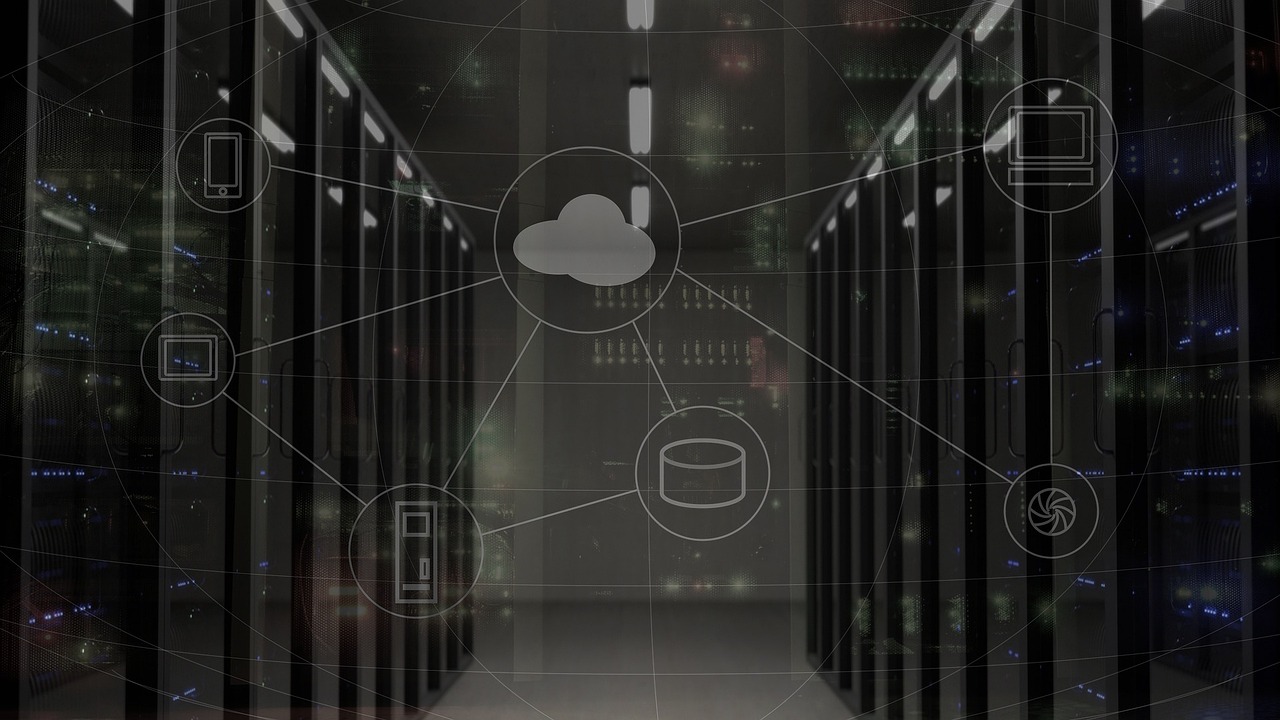
The global data center industry stands at a pivotal inflection point in 2025, driven by explosive demand from artificial intelligence, cloud computing, and edge applications. Data center power demand is projected to grow at approximately 16% annually through 2028, reaching 130 gigawatts globally—a growth rate 33% faster than the previous three years. This unprecedented expansion presents both extraordinary opportunities and significant challenges for enterprises seeking to build resilient digital infrastructure.
As organizations race to deploy AI capabilities and support increasingly data-intensive operations, traditional data center approaches have reached their limits. Power availability has emerged as the primary constraint limiting growth in core hub markets, with vacancy rates falling to historic lows of 6.6% globally and as low as 1.9% in primary markets. These dynamics are reshaping the industry landscape, driving innovation in cooling technologies, accelerating edge computing deployment, and opening opportunities in emerging secondary markets.
For enterprises making strategic infrastructure decisions in 2025, understanding these trends is essential. The choices made today regarding data center strategy, location, technology, and partnerships will determine competitive positioning for years to come. This comprehensive guide explores the critical trends shaping data center evolution and provides actionable insights for organizations navigating this complex landscape.
Power Constraints: The Primary Challenge for Growth
Limited power availability has emerged as the single greatest inhibitor of data center expansion in established markets. In Northern Virginia—the world’s largest data center market—available power capacity has become so constrained that new developments face timelines extending to 2027 and beyond. Similar constraints affect other core hubs including Frankfurt, London, Amsterdam, and Singapore, where local utilities struggle to meet surging demand.
The scale of power requirements defies historical precedents. A single large AI training facility can consume as much electricity as a small city, with individual GPU clusters requiring megawatts of continuous power. Hyperscale operators like Amazon, Microsoft, Google, and Meta are projected to spend an estimated $1.8 trillion on data center-related capital expenditures in the United States alone from 2024 to 2030. A substantial portion of this investment addresses power generation, transmission, and distribution infrastructure.
Power costs have surged correspondingly, with global data center pricing rising 3.3% year-over-year to $217.30 per kilowatt per month on a weighted average basis. Markets facing the most severe constraints saw even steeper increases—Northern Virginia prices jumped 17.6%, Chicago rose 17.2%, and Amsterdam increased 18%. These escalating costs fundamentally alter the economics of data center operations, making efficiency improvements and alternative locations increasingly attractive.
Organizations are responding with multi-pronged strategies to address power constraints:
Power Purchase Agreements (PPAs): Leading hyperscalers are negotiating direct relationships with power generators, including renewable energy providers and even nuclear facilities, to secure long-term capacity. These agreements provide certainty of supply while often supporting sustainability goals.
On-site generation: Some data center operators are exploring distributed generation solutions including natural gas turbines, fuel cells, and renewable systems to supplement grid power. While capital-intensive, these approaches provide resilience and capacity independence.
Geographic diversification: Power constraints in primary markets are driving expansion into secondary and emerging markets where power availability and costs remain more favorable. Richmond, Santiago, and Mumbai represent examples of markets attracting investment due to relative power abundance.
The power challenge extends beyond immediate availability to encompass sustainability considerations. Data centers already account for significant electricity consumption, and their growth trajectory raises questions about carbon footprints and renewable energy utilization. Organizations face increasing pressure from regulators, investors, and customers to power operations with renewable energy, adding complexity to site selection and power procurement decisions.
Edge Computing: Bringing Processing Closer to Users
Edge computing represents one of the most transformative trends reshaping data center architecture in 2025. More than half of organizations with edge sites today expect their edge footprint to grow by at least 100%, with 20% projecting increases of 400% or more. This explosive growth reflects fundamental shifts in application requirements, network architectures, and user expectations.
The edge computing value proposition centers on reducing latency, minimizing bandwidth costs, and enabling real-time processing for applications that cannot tolerate the delays inherent in cloud-centric architectures. For autonomous vehicles, industrial automation, augmented reality, and IoT applications, milliseconds matter. Processing data at the edge—close to where it’s generated and consumed—delivers performance impossible to achieve with distant cloud data centers.
5G network deployment acts as a catalyst for edge computing adoption. The high bandwidth and low latency promised by 5G enable new use cases that depend on edge processing infrastructure. Telecommunications providers are establishing edge data centers at cell tower sites and regional hubs, creating distributed computing networks that extend cloud capabilities to the network edge.
Edge architectures vary widely based on use cases and requirements:
Local edge: Micro data centers deployed at enterprise facilities to support on-premises processing needs. Manufacturing plants, hospitals, and retail locations use local edge infrastructure for real-time analytics, machine vision, and localized AI inference.